

Coaching 2.0 Thinking

Coaching 2.0 Thinking
The Need for Coaching 2.0
In the early 1990s, when the coaching industry began to take off, ideas about how coaching works were understandably simplistic. In the mid-90s, bodies were set up to professionalise the industry by accrediting coaches and coach training courses, but this accreditation was based on that early, simplistic understanding of coaching — the Coaching 1.0 thinking — and it set it in stone.
Three decades later, the accrediting bodies still rely on the same thinking. So, if someone wants to be a coach, they can take the accreditation path and use Coaching 1.0 thinking. Or they can just declare themselves to be a coach (often with no coach training at all) and devise their own thinking, normally by drawing on pop psychology and self-help traditions.
Knowing that something better was possible, we drew on perspectives that have become available over the past three decades and developed Coaching 2.0 — a way of understanding and practising coaching that makes good the weaknesses of Coaching 1.0 in three main areas:
- It offers a clarity about coaching’s mechanism — about how coaching actually delivers its benefits.
- It offers a clarity about the skills a person needs if they’re to provide effective coaching and about how people can best gain these skills.
- It offers a clarity about what living well means in practice, which is important as the aim of coaching, ultimately, is to help people live well — in both their personal and professional lives.
The Mechanism of Coaching
The first thing to get straight about coaching is the mechanism by which it delivers its benefits. It turns out that there are two key elements to consider:
- How coaching can create the conditions for coachees to have useful insights. Coaching doesn’t work through the transmission of knowledge from coach to coachee. Instead, coaching makes it possible for the coachee to see things more clearly for themself. The coach’s questions and listening force the coachee to think hard during the coaching and to see things afresh. So the coachee escapes their habitual patterns of thought. They make new connections. They have insights.
- How these insights become genuinely useful when they spur the coachee to take actions that that they wouldn’t otherwise have taken. It’s the actions the coachee takes as a result of their coaching that provide coaching’s main benefits. It’s those actions that enable the coachee to flourish more fully. This is why coaching is mostly future-focused and why it’s so helpful for coachees to make clear action commitments towards the end of a session.
Skills & Training
The second area of Coaching 2.0 thinking is a clarity about what a person must be able to do if they’re to provoke those useful insights and propel coachees along those fruitful courses of action.
An important step in the development of Coachwise thinking was the identification of four levels that coaching operates at:
- Level One is the simplest. Here the coaching is informal. The coachee often doesn’t know that they’re being coached. They just know that they‘re being asked good questions, that they’re being listened to, and that talking through what’s on their mind brings them insights.
- At Level Two, the coach provides short coaching sessions lasting up to half an hour, as managers do when coaching their direct reports. Level Two coaches both create a space for insight and guide the coachee to make clear action commitments.
- Level Three coaches can deliver a full professional coaching service. Their sessions can last up to two hours and can have a big impact on the coachee.
- And Level Four is long-form coaching. The coach uses a structured series of sessions to guide the coachee through a development process that lasts several months.
For each level, Coaching 2.0 thinking specifies both what a coach can be expected to do and the skills and understanding the coach needs to deliver that coaching.
- Level One coaches only need basic abilities. They need some sense of the sort of question that’s likely to prompt a coachee to have useful insights. And they need to be able to listen attentively, keeping their mental focus completely on what the coachee is saying and on what things mean to the coachee. The only structure they need to know is: Ask a question, then listen attentively. It’s very simple.
- At Level Two, it’s not only the insight that’s important but also the coachee’s commitment to taking action. The coach needs to be highly proficient at the level one tools. They need, for instance, to be able to ask semi-open questions that encourage the coachee to think freely about a particular topic. And they need to be able to ensure that the coachee experiences an environment that is conducive to quality thought. We’ve found that a 3-act structure provides the most reliable way to structure pieces of level two coaching, with certain things needs to happen in the beginning part of the session, others in the middle part, and the focus of the final part being helping the coachee make clear action commitments.
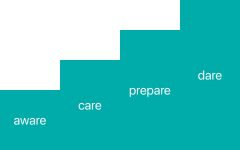
- To be effective at Level Three, the coach needs a more powerful way to structure their coaching. We’ve found that the Staircase model works very well. It neatly captures what needs to happen during each phase of the Level Three process — a process that can take two or more sessions to complete. And since the names of the phases rhyme, it’s easy for the coach to keep oriented within the session while giving their full attention to the coachee. The tools the coach has been applying at level two become the foundation toolset. They’re used to open the session. And there’s a new set of tools for each of the other four phases of the coaching process — 15 tools in all, with each toolset containing three tools. Each of these tools is something specific that a coach can do to move a session forward in a particular way. They are well-defined techniques that coaches can learn when and how to use during their training. This is a big advance on the vague ‘competencies’ of Coaching 1.0 thinking — the ‘embodies a coaching mindset’ and the ‘facilitates client growth’.
- We’ve developed a model of an 8-stage ‘coaching journey’ to keep the Level Four process as a whole well structured. It sets out what needs to happen at each stage of the journey. While guiding these journeys, coaches use the same five toolsets that they’ve used during level three coaching, but they’re able to apply them in new ways for they have a deeper level of understanding, not only of how coaching works, but also of what living well means in practice — which is important as the aim of level four coaching is for the coachee to end their coaching journey living well in all the ways that it’s possible for them to live well.
What Living Well Means
The final area of Coaching 2.0 thinking is a mapping out of what, in practice, living well involves. This isn’t so the coach can give the coachee any kind of advice. It’s so they can keep the light of enquiry shining where it’s most needed.
To understand the relationship between living well and coaching, we have to take a reality-centred perspective. We have to focus, not on abstract ideas about who the coachee is or what they should be doing, but on the concrete reality of the coachee’s life.
Coaching can help the coachee attain a big-picture alignment with life through building an authentic sense of purpose, become more strategic, and become more organised. And it can help them become better at handling life as it happens, in the here and now, by helping them perform better and by helping them keep their performances directed at useful ends.
By helping people explore both the big-picture alignment that provides life’s constant background and how they deal with the immediacy of life’s foreground, coaching can guide people systematically towards living fully examined lives and arriving at a profound harmony with the human condition.
Watch our Coaching 2.0 video playlist here.




Responses