

Developing Your Coaching


Developing Your Coaching
Level One Coaching
Our Turning Chatting into Coaching article looks at how to use the two basic skills of coaching — *asking coaching questions* and *attentive listening* — to turn an ordinary social encounter into a piece of coaching.
You start by noticing that a little bit of coaching would make better use of the time then just chatting away normally. Then you ask a *coaching question* — a question that prompts the person you’re with to think creatively about some area of their life. And you listen attentively to their reply. It’s simple.
This creates an opportunity for the person to have useful insights. The better the question and the better your listening, the more likely they are to have insights that genuinely help them.
These little pieces of coaching (5-10 mins) can be enjoyable and satisfying for both coach and coachee.
Going Further
Coaching can, of course, be more substantial. Managers can use short coaching sessions (15-30 mins) to support their team members and specialist coaches can use full-length coaching sessions (1-2 hours) to help people flourish more fully, both professionally and in their personal lives.
To go beyond the basic five minute pieces of coaching, though, the coach needs to develop further abilities in two main areas:
- They need to develop more skills.
- They need to learn how to structure an effective session.
Level Two Coaching
We have spent many years analysing what it is that effective coaches actually do during coaching sessions. We found that, for a coach to provide effective 15-30 mins coaching sessions, they need to master the three tools that together make up the foundation toolset.
The first tool is a comfortable environment. The time and the place both matter. Before a session begins, a good coach will use the tool to ensure that the setting is conducive to insightful thinking. During the session itself the coach can then use the other two tools — asking open questions and listening attentively — to guide the coachee towards useful insights.
The key to successful level two coaching, however, is how the coach structures the session. We’ve found that a three-act structure works well. Like a good film, good coaching has a beginning, a middle and an end.
We teach what needs to happen in each phase of the coaching in our level two courses. It is simple enough.

Level Three Skills
Coaching a person through a full 1-2 hour session takes advanced skills and understanding. On our level three courses, we teach four other toolsets:
- Awareness tools. Good coaching begins by helping the coachee build up an accurate picture of their situation. They need to start seeing their situation afresh. The coach can facilitate this through using the foundation tools and three new tools — repeating back what the coachee has said, asking the coachee how other people see the situation, and helping the coachee organise their thoughts by summarising what the coachee has told them.
- Empathy tools. A strong empathic bond with the coachee is vital to successful coaching and there are three main tools a coach can use to build such a bond. (It is odd how seldom such techniques are taught on coaching courses.)
- Planning tools. In good coaching, the coach will help the coachee build up a strategic plan of action. The three planning tools can help.
- Commitment tools. By the closing phase of good coaching, the coachee should become clear about the best course of action for them to follow. The final set of tools is used to strengthen the coachee’s resolve and increase the chance that the coachee will indeed carry out their plan.
Mastering all five toolsets gives coaches all the skills they need to provide highly effective coaching.
Level Three Structure
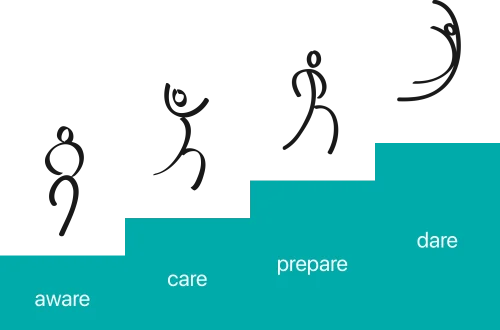
There are lots of models of what makes for a well-structured session, but most are little more than a reskinning of the GROW model that was developed in the 1980s. We found that these models failed to capture the underlying dynamic of effective coaching. So we’ve developed a model of our own — the staircase model.
This model captures what must happen at each stage of the coaching process for the coaching to realise its potential for positive impact. Since the names for each step rhyming, it is easy for the coach to keep track of where they are in the process while giving their full attention to the coachee.
Mastering Coaching
Becoming a great coach starts with learning the tools and models, but every coaching session is different. Every coachee’s needs are unique. Once you have internalised the models and the tools, you should put any sense of a recipe or a formula for coaching behind you and treat each coaching session as an improvisation.
Every coaching session should be an invigorating challenge. To give each coachee the best coaching possible, the coach must be wide awake and nimble, trusting the skills that they have built up and their ability to structure the coaching as they discover how they can best meet the coachee’s needs.
You can treat coaching as a science when you learn it. But to practice it well, you must treat it as an art.



Responses