

Three Routes into Coaching


Three Routes into Coaching
The Three Routes
There have long been two main routes into coaching and consequently two types of coach.
- People can take a coach training course accredited by a body such as the International Coaching Federation (ICF), the Association for Coaching (AC) or the European Mentoring and Coaching Council (EMCC). This route produces accredited coaches.
- People can draw upon existing skills, use self-directed learning to fill in the gaps, then simply declare themselves to be coaches. This route produces independent or non-affiliated coaches.
At Coachwise, we were frustrated with both these routes so we developed a set of coach training courses that embody a new understanding of the coaching process. This third route produces Coachwise coaches.
The Accreditation Route
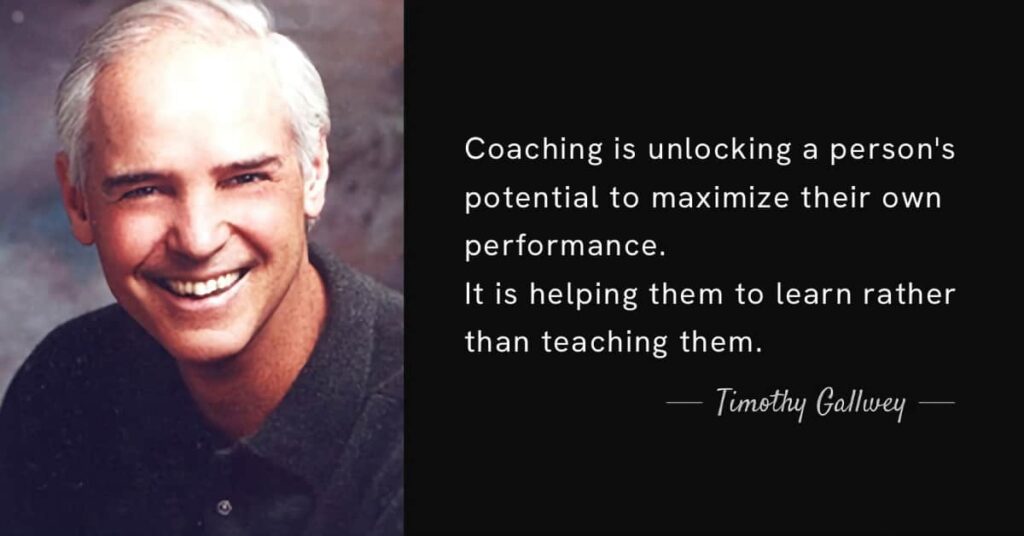
Coaching has its roots in Timothy Gallwey’s ‘inner game’ approach to sports coaching. In the late 1980s, some of Gallwey’s inner circle realised that learning and performance were just as important in the business world as they were in sport. They developed a basic methodology and, since the ‘inner game’ phrase put off the pragmatic business people they were trying to attract, they called what they were offering ‘coaching’,
In the early 1990s, the coaching industry started to take off and almost immediately organisations were set up to legitimise it — the EMCC in 1992 and the ICF in 1995. These organisations tried to model themselves on the governing bodies that preside over the medical and teaching professions, but as they didn’t have the legal means to bar people from practising as coaches they began accrediting courses and coaches that fulfilled their criteria and paid their membership fees.
The criteria they adopted were based on the understanding of coaching that prevailed at the time. The GROW model was prominent, as were lists of 8 coaching competencies. As so often happens in bureaucratic organisations, this understanding was then set in stone. There hasn’t been any significant innovation in three decades. People still learn the GROW model, or models very like it. Teaching is still organised around competencies. There’s no room for any radical new understanding of how coaching works or how it can best be learnt, or practised.
Pros of the Accreditation Route
- Most large companies expect coaches who work with their staff to be accredited by one or more coaching bodies. Accreditation is seen as a guarantee of quality. So taking the accreditation route opens up possibilities of working in the corporate sector, where coaches can often charge large fees.
- Accredited courses offer a structured approach to coach training. Models are presented. Skills are practised. There are always opportunities to get feedback and build upon natural coaching abilities.
- By taking an accredited course, people become part of a community of coaches who all have the same qualifications.
Cons of the Accreditation Route
- The accreditation route is expensive.
- Once a person has trained as a coach, they can only start making an income (and recouping their investment) through building up a coaching practice on their own. Support with marketing is always limited. So the accreditation route is most suited to people who’ve spent many years working in a corporate context and can start building up their coaching practice by leveraging their network of personal contacts.
- Since the view of coaching taken by accreditation bodies hasn’t evolved in any substantial way, the models of coaching taught are still poor at capturing the reality of coaching. This leads to a lot of ineffective coaching and a widespread scepticism of the coaching industry.
The Non-Affiliated Route
People who don’t find the accreditation route attractive can simply declare themselves to be coaches.
Sometimes it’s the bureaucratic approach of the accreditation bodies that they don’t like; sometimes it’s the expense. Often they believe they don’t need formal training as they already have experience helping people though talking with them. They know that they’re empathic, that they can take responsibility for their learning, and that there’s books and websites that cover all the content they’d learn on an accredited course. They doubt that they’d get their money’s worth from expensive courses.
Most non-affiliated coaches are independent minded and like to draw upon their personal beliefs in their coaching. Many are influenced by the self-help movement and positive psychology. They find their own way to use coaching to help the people they work with.
Pros of the Non-Affiliated Route
- Becoming a non-affiliated coach is cheap. Anyone can become a coach for the price of a few books and a marketing campaign.
- The non-affiliated route suits people who don’t find the ethos and identity of the accrediting bodies attractive. Accrediting bodies brand themselves with corporate buyers in mind, so their appeal is limited.
- By finding their own way into coaching, people are able to integrate the tools, techniques and concepts they are familiar with into their coaching practice. They can create their own form of coaching.
Cons of the Non-Affiliated Route
- Non-affiliated coaches don’t have any formal mechanism for learning from the coaches who’ve gone before them. They would almost always be better coaches if they’d had some formal training.
- Like accredited coaches, non-affiliated coaches are responsible for their own marketing. This route best suits people who are good at using social media to build a business.
- It can be hard for non-affiliated coaches to be seen as legitimate, even if they have good coaching skills and are able to offer clients a valuable service. There’s a lot of nonsense in the coaching world and non-affiliated coaches can struggle to differentiate themselves from the nonsense-pedlars.
The Coachwise Route
We created Coachwise because we were frustrated by the industry’s lack of solid conceptual foundations. We found the early 1990s models of coaching deeply problematic. They didn’t focus on the actual mechanism through which coaching works — the insights coachees have during coaching sessions. Nor did they properly connect what happens during a session with how exactly the coaching enables the coachee to flourish more fully in their personal or their professional life.
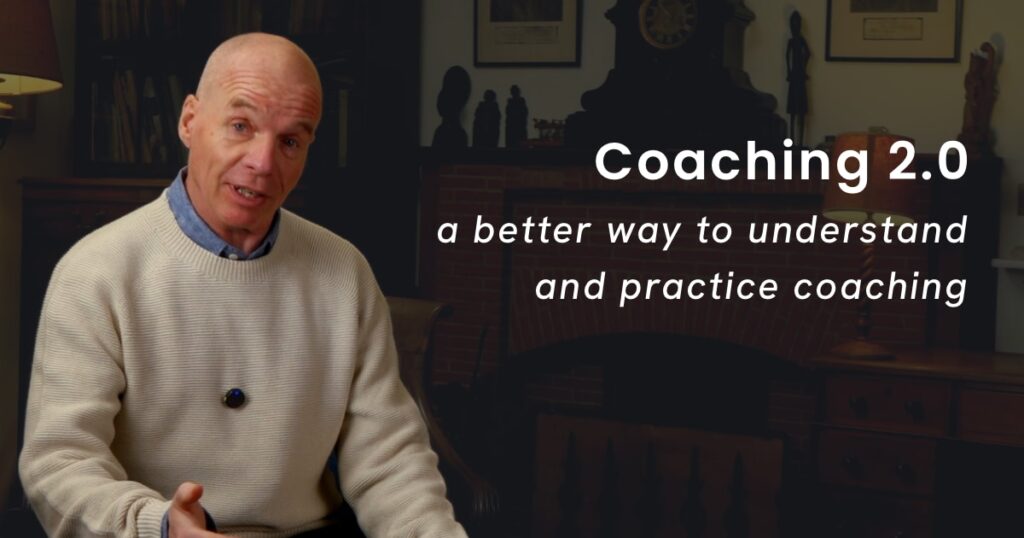
We’ve now built the foundations that were lacking and used them as a basis for a new way to understand and practice coaching — a Coaching 2.0.
Our coach training courses now make it easy for people to become impactful coaches. They provide a third route into coaching.
Pros of the Coachwise Route
- Our approach provides a ‘bullshit-free’ approach to coaching.
- Our platform provides a full range of coach training courses, along with the tools for people to connect with other learners, practice new skills, and coach each other. Since our courses are delivered online, we are able to provide them at a low cost.
- We intend to build a community of coaches who support each other in delivering truly effective coaching.
- Everyone who trains with us (and qualifies) will be able to deliver coaching through our platform. We will market our coaches intensely, making use of the USP that they have learned a bullshit-free approach to coaching, and making it easy for them to support their listing with social media links.
Cons of the Coachwise Route
- We have spent a long time building solid foundations, but it’s still early days for Coachwise. Our course are still being improved as we learn from our users and we’re still at the design stage of a set of tools for app-supported coaching. We are not yet providing in-person training and we haven’t yet started to market our community of coaches. So the Coachwise route is best suited to people who are comfortable being part of something new and promising.
- Very few of the people who make decisions about coach hiring within large companies are familiar with our approach. If you want to begin a career coaching within the corporate sector, the accreditation route will still be your best option for the next few years.
- We have worked hard to create a coach training path that is convenient and effective. But it won’t suit everyone. If you are drawn to the accreditation route or the non-affiliated route, they are probably a better fit for you.



Responses