

What Coaching Is


What Coaching Is
Common Misunderstandings
I self-identify a coach. I deliver business coaching, life coaching, and coach training. But I look at a lot of what goes on under the banner of coaching and see something completely alien. It’s not what I do at all.
From where I stand, it seems as if most people who call themselves coaches have a profound misconception of what coaching is — a misconception that reinforces a general confusion as to what coaching is and how it works.
A lot of ‘coaches’ act as if coaching was closely related to pop psychology or self-help, which it isn’t. It doesn’t bother me that they’re interested pop psychology or self-help. I’m happy for them to read about them and draw upon them in their sessions with clients. I’m sure some clients enjoy having someone apply pop psychological thinking to their life. But it does bother me that they call what they do coaching for it simply doesn’t fit what I know about how coaching works.
A Specific Mechanism
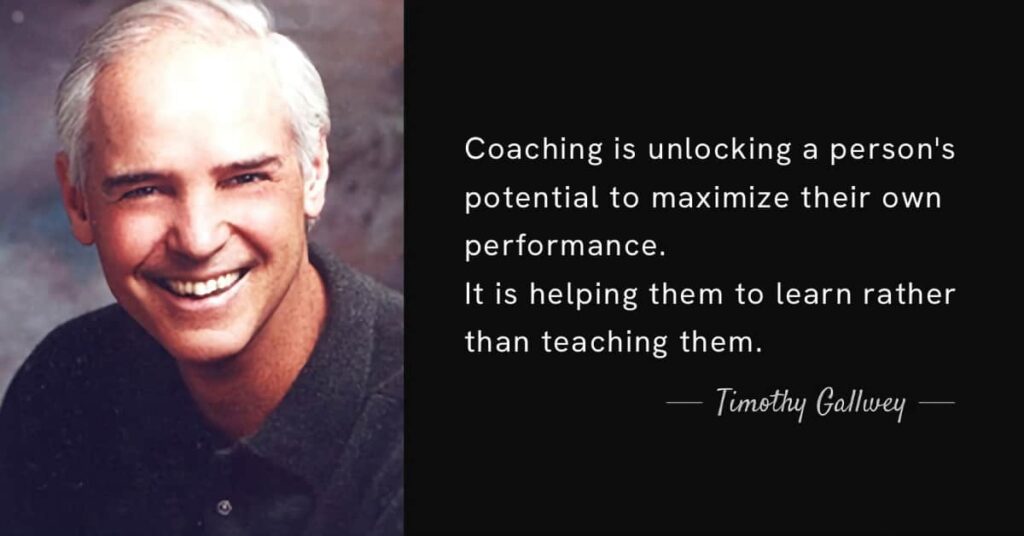
What makes coaching distinctive is that the coach doesn’t help the coachee by giving them advice, sharing top tips, or by coming up with an analysis of the coachee’s psychological makeup. It works through the coach creating the conditions for the coachee to themself have useful insights — insights into what they most want to happen, or into the courses of action they can take.
The starting point for these insights is often the recurring thoughts that a coachee has at the back of their mind. Everyone has them. Worries. Hopes. Personal obsessions. These thoughts tend to be about the areas of life that are most important to a person. The same ideas come round and round again, sometimes keeping people awake at night, flashing through their brain without bringing any great new understanding or inspiring any viable plan. In fact, the more a particular thought comes, the easier it becomes to have another thought just like it.
Early on in the coaching process, the coach uses techniques such as open questions and attentive listening to bring these habitual thoughts out into the open. The next step is to draw on these thoughts to build a map of what is most important for the coachee. The coachee will make fresh connections between all the main landmarks and arrive at a strategic perspective on the relevant areas of their life — areas of their personal life if it’s life coaching, or areas of their work life if it’s business coaching.
Once the coachee reaches a new clarity, they can work out what they most want to happen and what courses of action they can take to bring about this desirable future.
The coaching should finish with the coachee having a clear plan of what to do and with the coach setting a time to follow up and see how the coachee has got on implementing their plan.
The Coach’s Role
Coaches help coachees by guiding properly structured inquiries into the courses of action that are most likely to lead to the coachee’s flourishing, and the flourishing of those the coachee cares most about. The coach can then support the coachee in committing to and taking the best course of action they can conceive.
Unlike therapists and counsellors, coaches don’t attempt to understand the past. Coaching specifically avoids probing past traumas, which, rather than discovering new patterns, would bring old patterns back to life. It would be counter-productive.
In coaching, the starting point is the current reality. It can be helpful to look at the coachee’s back-story where this informs the present — where it sheds light on who they are and on what matters to them. But the emphasis of the coaching should always be on an exploration of the possibilities that ahead. The focus should be on the future.
A Distraction
Versions of coaching based on pop psychology and well-meaning advice are at best a distraction. Such sessions can be enjoyable. People get to express themselves. They feel understood. And the intricacies of the human mind are endlessly interesting. Everybody likes a bit of pop psychology
But in a coaching context, it is the techniques of pure coaching that are most effective at helping coachees see strategically and plot out viable courses of action. Even ways of working drawn from therapy or counselling don’t serve coachees well. They’re not efficient The ‘coaches’ get sidetracked — and if they start exploring past traumas the ‘coaches’ can do more harm than good.
I would love to see this wave of pseudo-coaching pass and make space for more true coaching. If more coachees enjoyed properly structured sessions where they could apply their fully capacity for insight to their own lives, all sorts of problems would disappear. Obsolete thoughts and patterns of behaviour would dissolve and in their place would appear a clarity about what they most want to happen and what they can do, specifically, to bring this about.
The world of coaching would be better but, more importantly, coachees’ lives would be better too.



Responses